Ceramics Practice | @jmks.goods
Overview
Pottery started as something I picked up to balance out research work. I wanted to try an artsy activity that was physical, slow and allowed me to blank out for hours. Over time, it became much more than just a hobby, but a practice that involved so much iteration, failure, repetition, and experimentation. Today, pottery is both a creative outlet and an ongoing exploration of how making, function, and interaction intersect.
I’ve been practicing regularly since January 2023, spending 1–3 days a week in the studio.
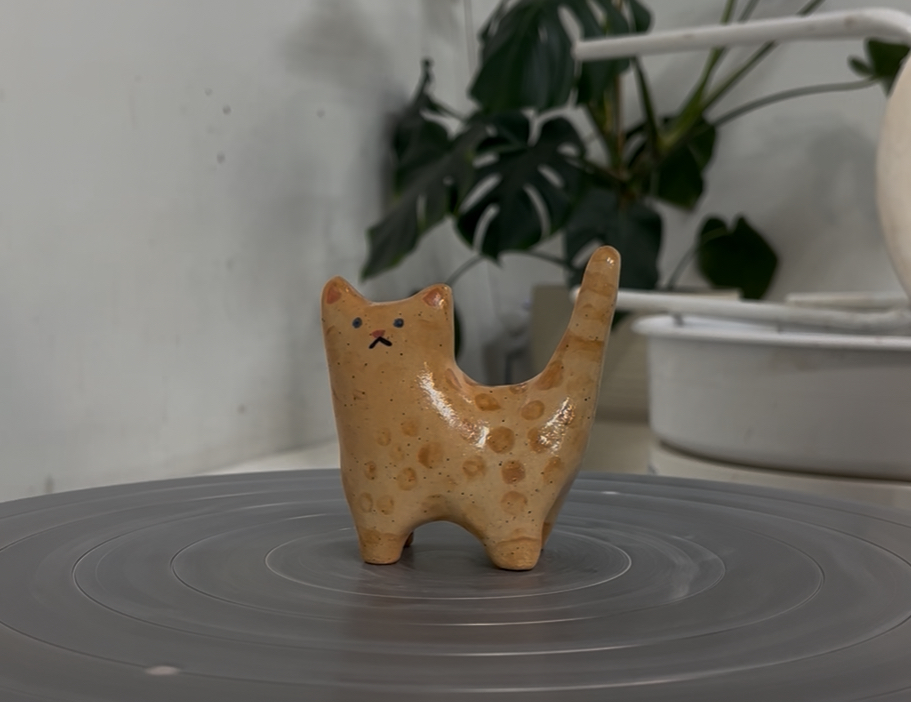
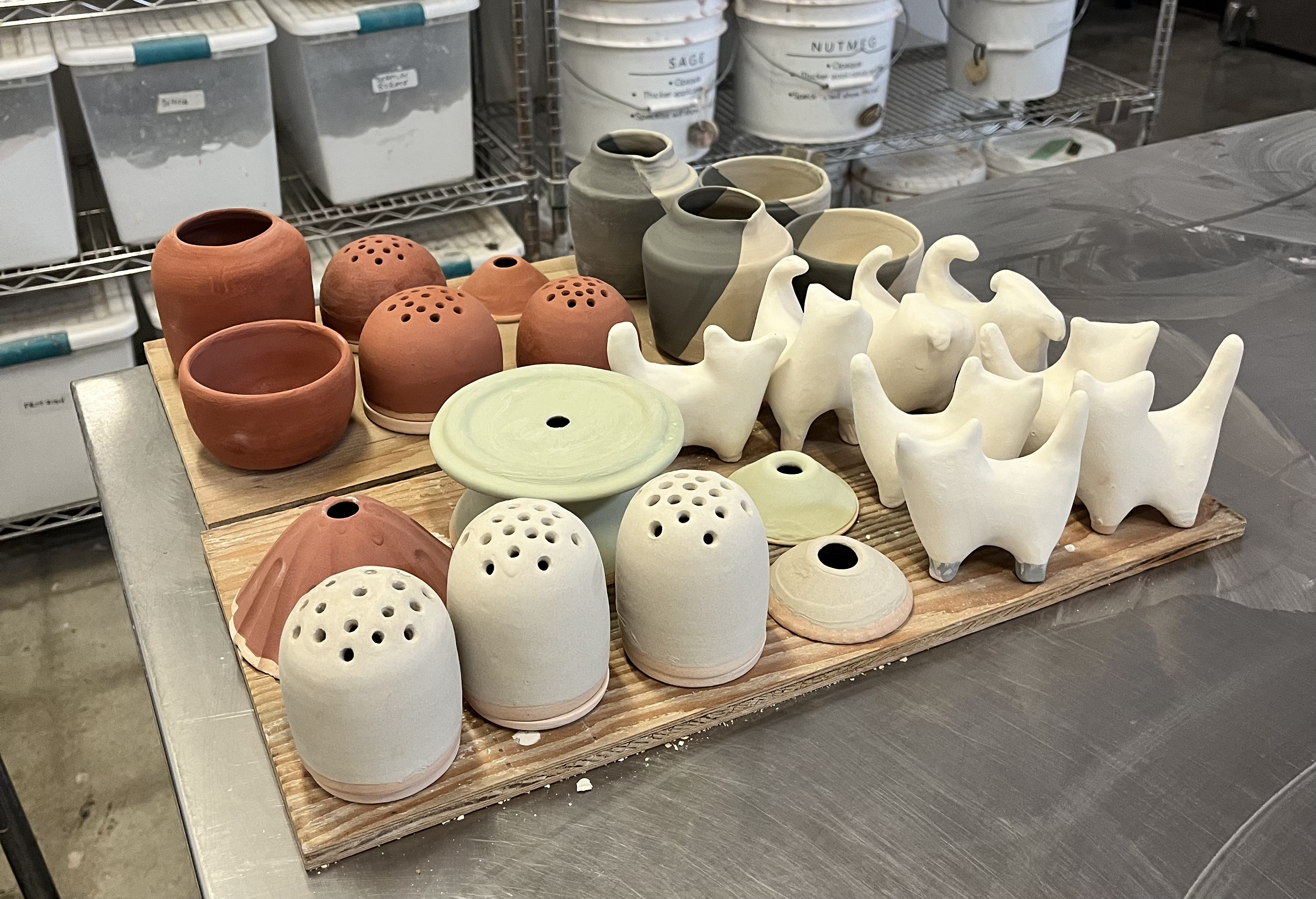
How It Evolved
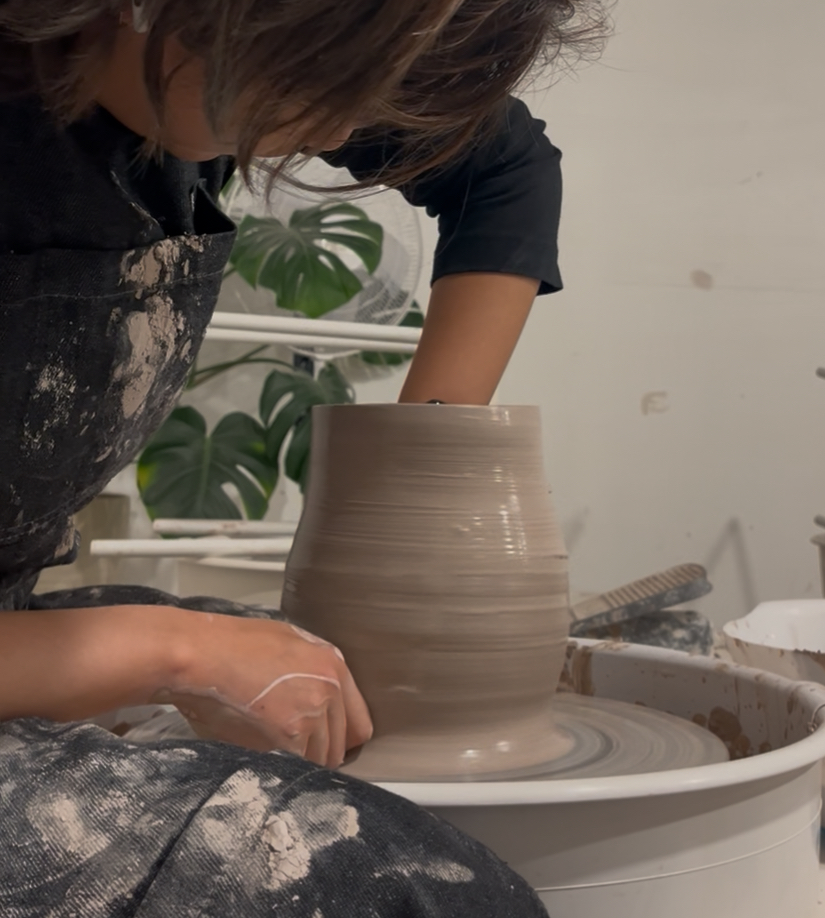
In the beginning, my focus was just on learning the basics, getting better, and making functional pieces. I leaned heavily on existing techniques and forms and repeated them until things started to click. I still recall those days of repeatedly trying to throw bowls, messing every single one of them up in one stage of the process or another, and leaving the studio feeling exhausted but so excited at the prospect of doing it all over again the next day.
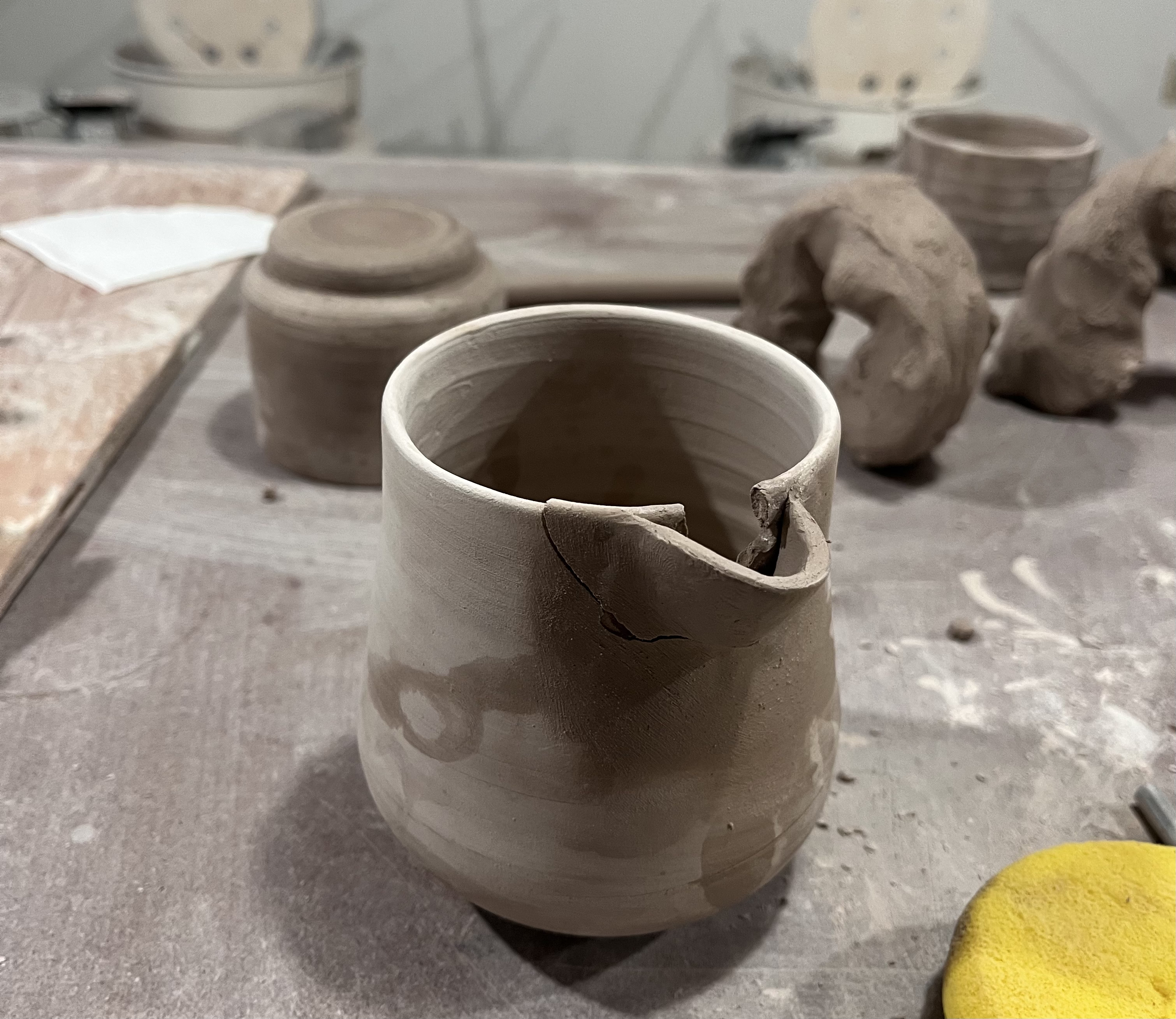
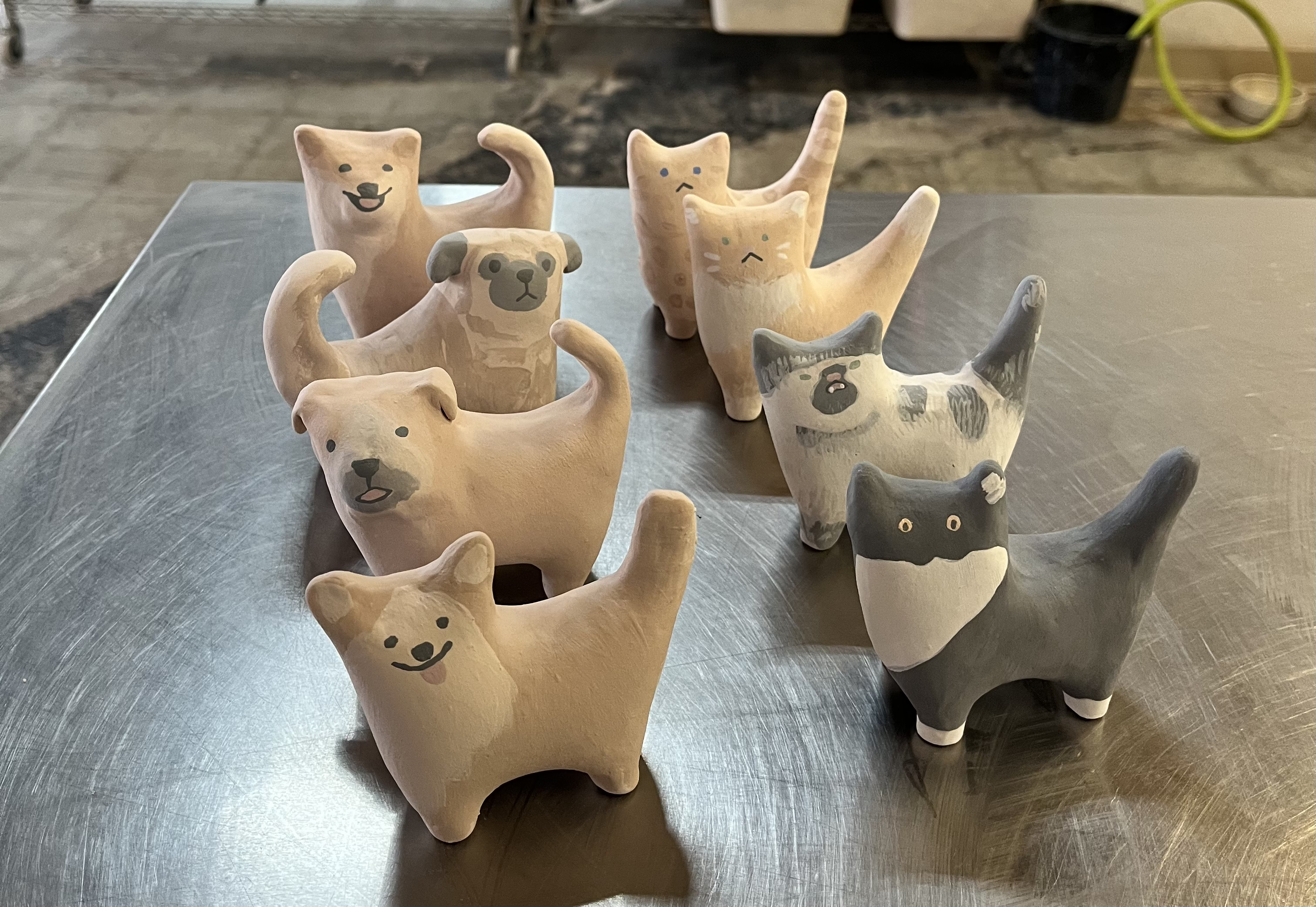
At some point, repetition turned into intuition. Once I felt comfortable enough to experiment, the scope of the work expanded and I began thinking about ceramics less as objects and more as a medium. I’ve always been more interested by the process rather than the end result, so I started to experiment with underglazes, carving, sculpting, and incorporating other forms of art like blockprinting into ceramics.
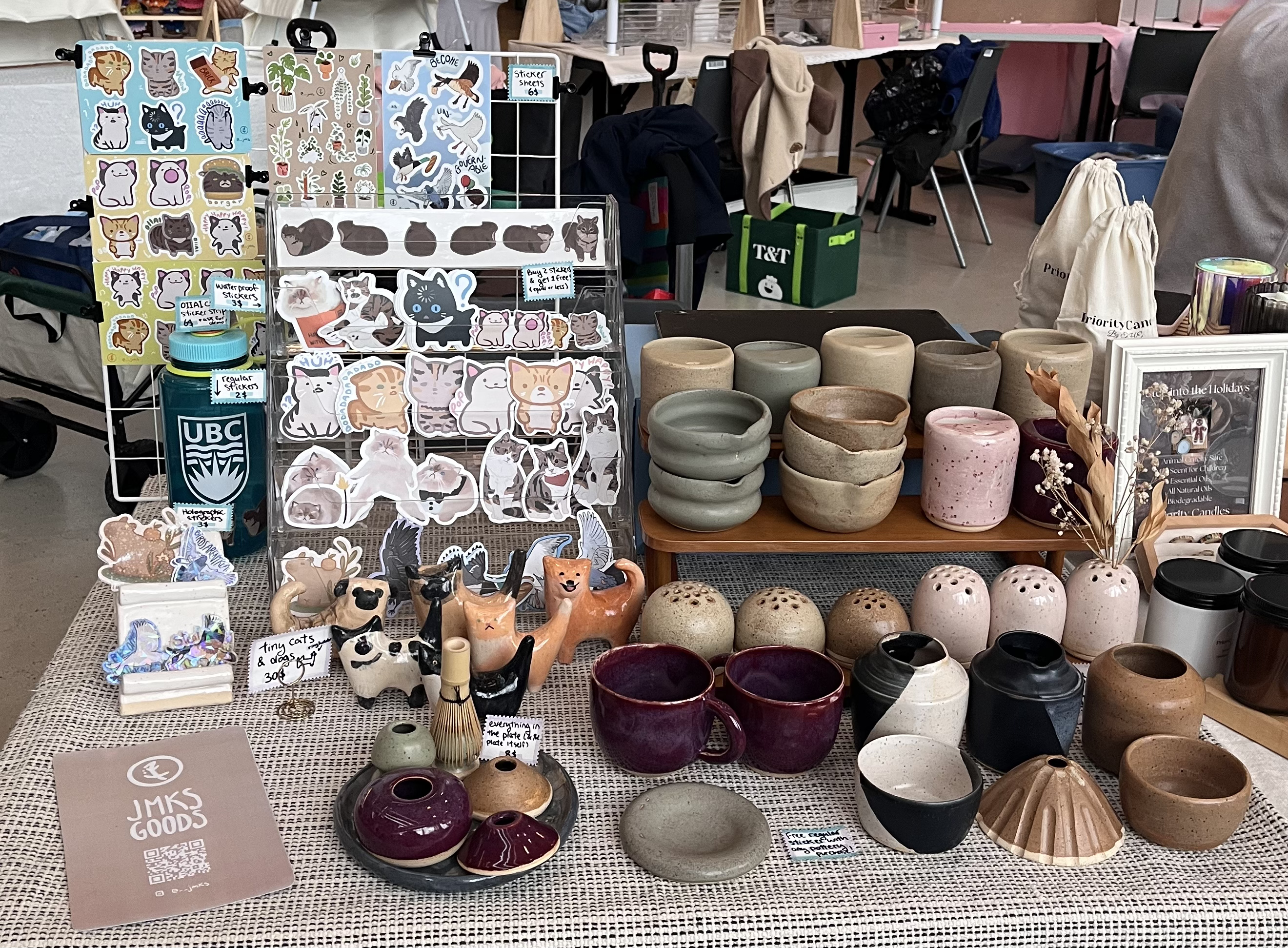
Eventually, pottery also became a side hustle. After graduating, I decided to give the artist life a try, partly for fun, partly out of curiosity, and because it was something I had always wanted to explore, by taking on commissions and participating in makers’ markets.
Tech and Ceramics
(Un)fortunately, the engineer brain couldn’t resist coming up with ideas on how to spice up the operation, despite the fact that it was originally intended to be a meditative, mind-clearing hobby.
Pottery can technically be done with very little tools, but they do make the process easier. I wanted to see if I could create some custom 3D-printed tools that would make my pieces more uniform and the workflow more streamlined. I started with a custom maker’s mark, then moved onto making handle cutters and profile ribs.
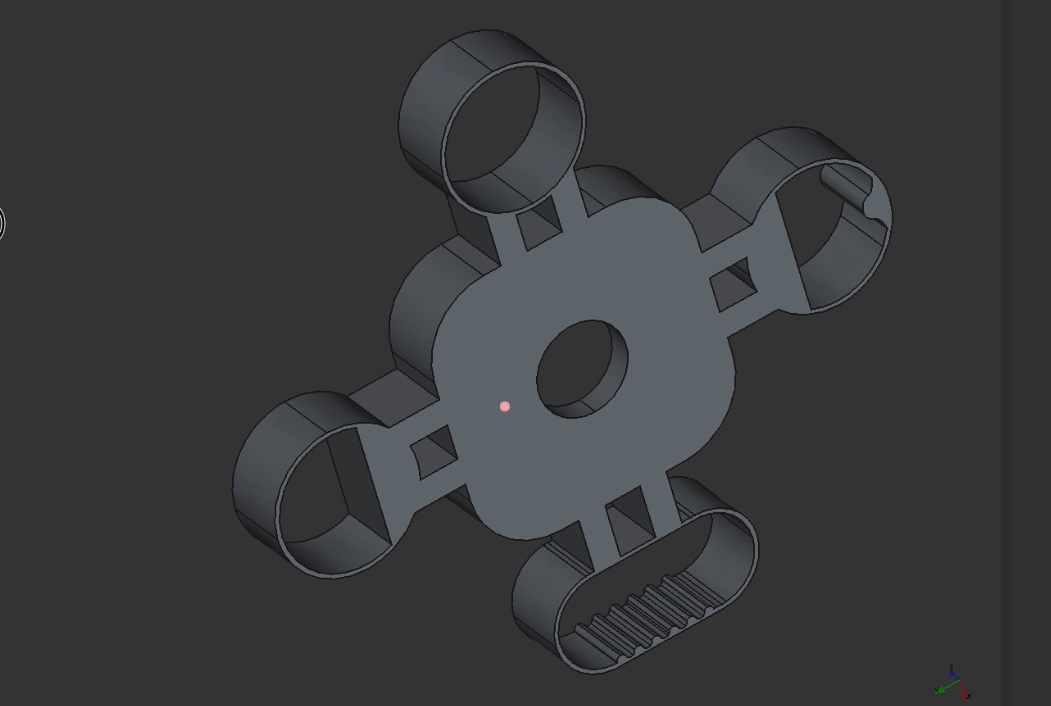
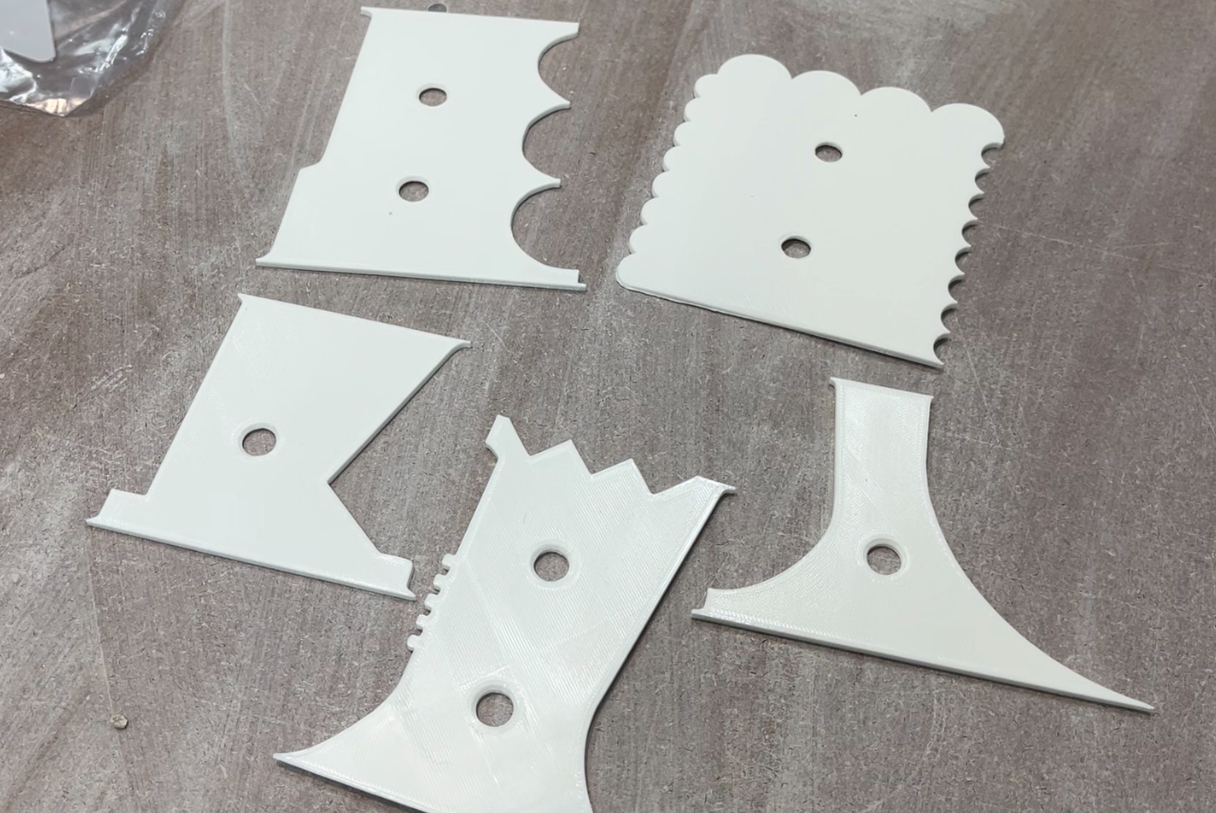
These experiments aren’t always successful, but they’ve opened up new questions about what pottery can be when it’s treated as a design medium rather than just a craft. This is where the work begins to overlap with how I think about UX and HCI.
Pottery & Interaction/UX
A lot of what draws me to pottery aligns closely with how I approach design:
- Iterating through making and testing
- Developing intuition over time
- Learning from constraints and using them to my advantage rather than fighting them
- Accepting that not everything is knowable upfront
I’m actively exploring ideas that combine ceramics with interaction, sensing, and experience design. Some of these ideas are still very early and others are close to being implemented. My interest isn’t in novelty, but in using pottery as a way to think through interaction and material experience.
Documenting the Process
I document my work through short videos on Instagram, as a record of progress and to share the less polished side of making. I hope that by sharing my process, I can also help others be inspired in their creative works.
Ongoing Exploration
I’m actively exploring the following directions:
- More sculptural and experimental work (eg. ceramic lampshade for cool light/shadow effects)
- Integration of technology and ceramics
- Selective commissions and market work
- New ways of presenting ceramic work beyond traditional formats (NFC tags, interactivity)
My Role
- Practitioner and designer
- Responsible for ideation, making, iteration, and documentation
- Managing commissions and market participation
- Actively exploring the intersection of ceramics, technology, and interaction design